
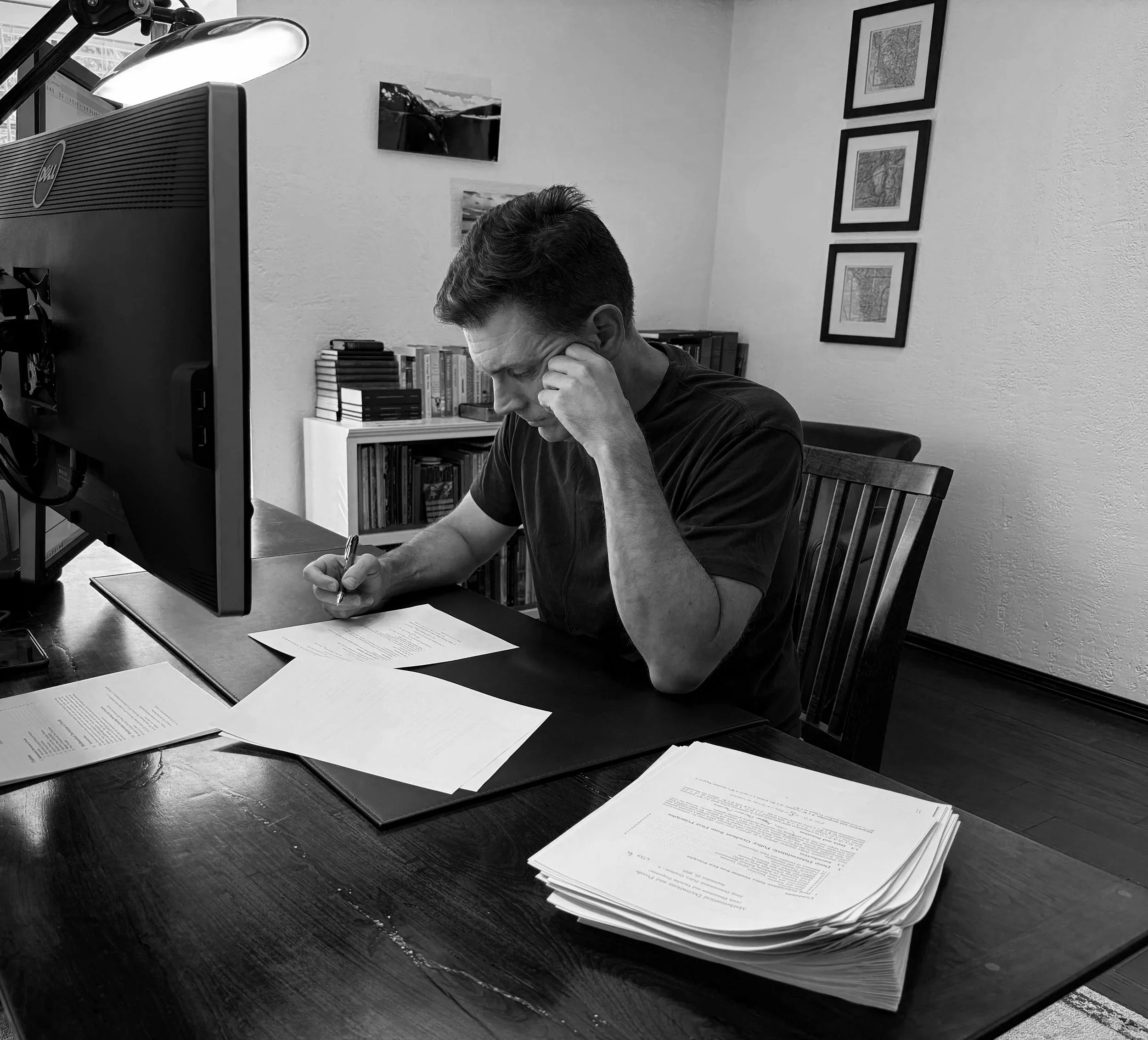
The Watchmaker
A Roysdon Watch begins long before the first drawing. Before the workshop. Before the lathes and mills. Before the first movement. It begins with the decades of engineering that made its maker.
LEARNING
THE LONG WAY TO WATCHMAKING
Paul was not born into watchmaking. There was no family manufacture waiting for him. No inherited workshop. No historic name to continue. His path began somewhere else entirely. With mathematics, engineering, and with an obsession for understanding machines.
Mathematics taught him to see structure beneath complexity. Engineering taught him that an idea is not finished when it works on paper. Building taught him that tolerances, materials and reality eventually get the final vote.
MACHINES THAT HAD TO WORK
A LIFE IN MACHINES
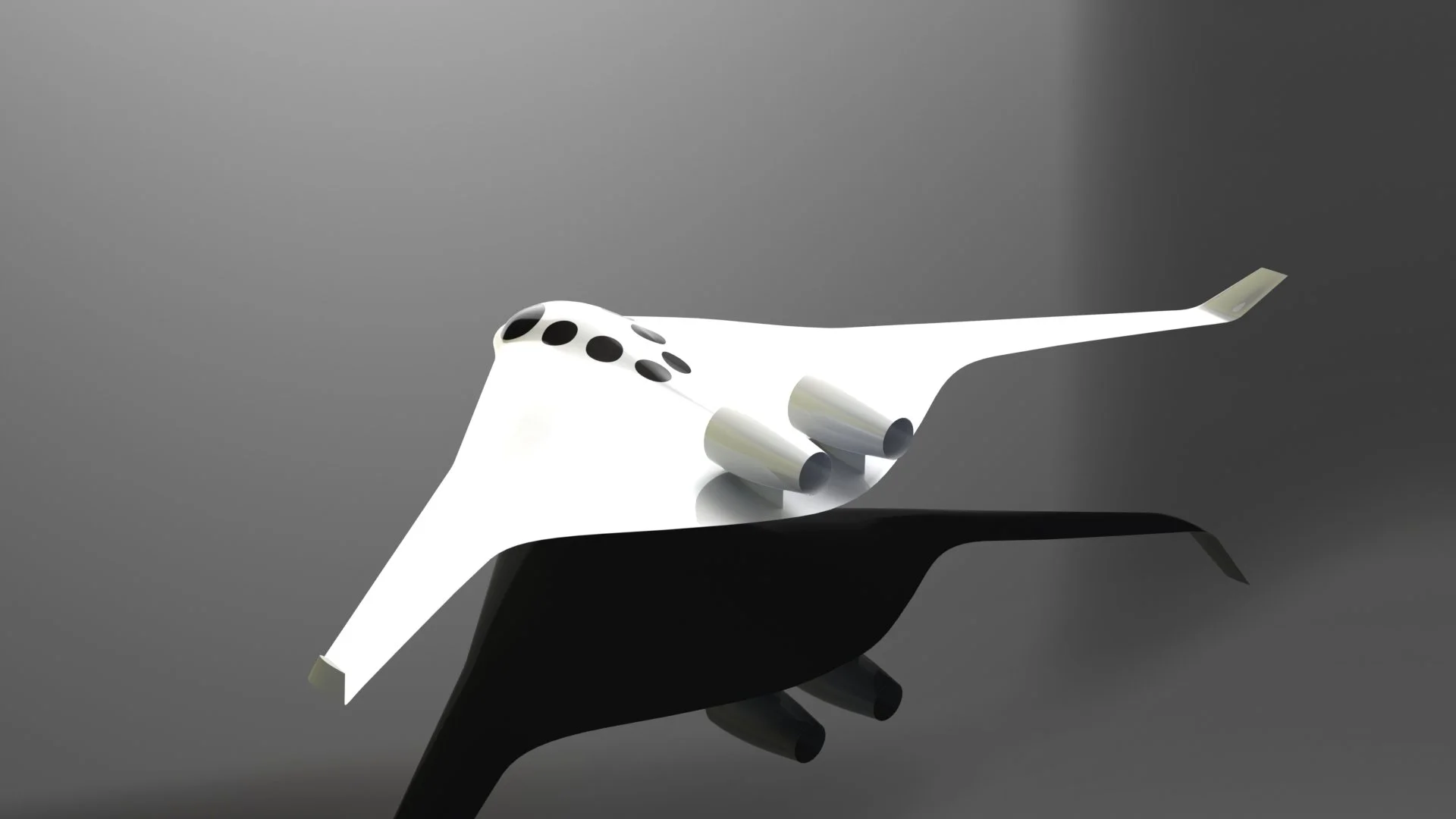
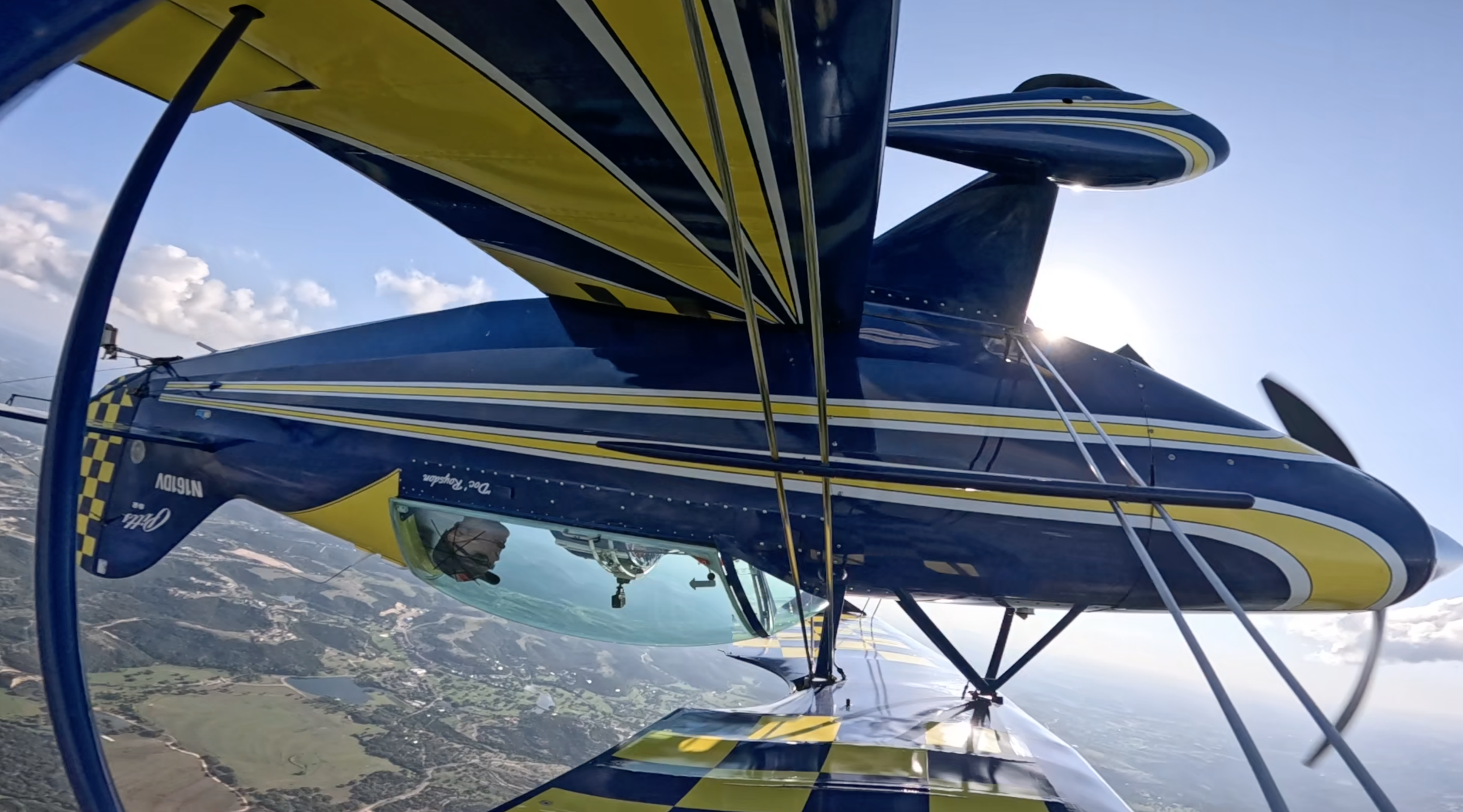
Engineering led to designing aircraft and flying aerobatics. Aircraft led to control systems and navigation, and later cybersecurity and machine learning. Increasingly difficult problems led to a career spent designing machines that could not merely appear correct... they had to work.
His career would eventually span aerospace, mathematics, artificial intelligence, cybersecurity, executive national security leadership, technical writing, motivational speaking, he built and sold two aerospace and deep-tech companies, and earned several advanced engineering degrees at top-tier universities. A true polymath.
THE SMALLEST MACHINE
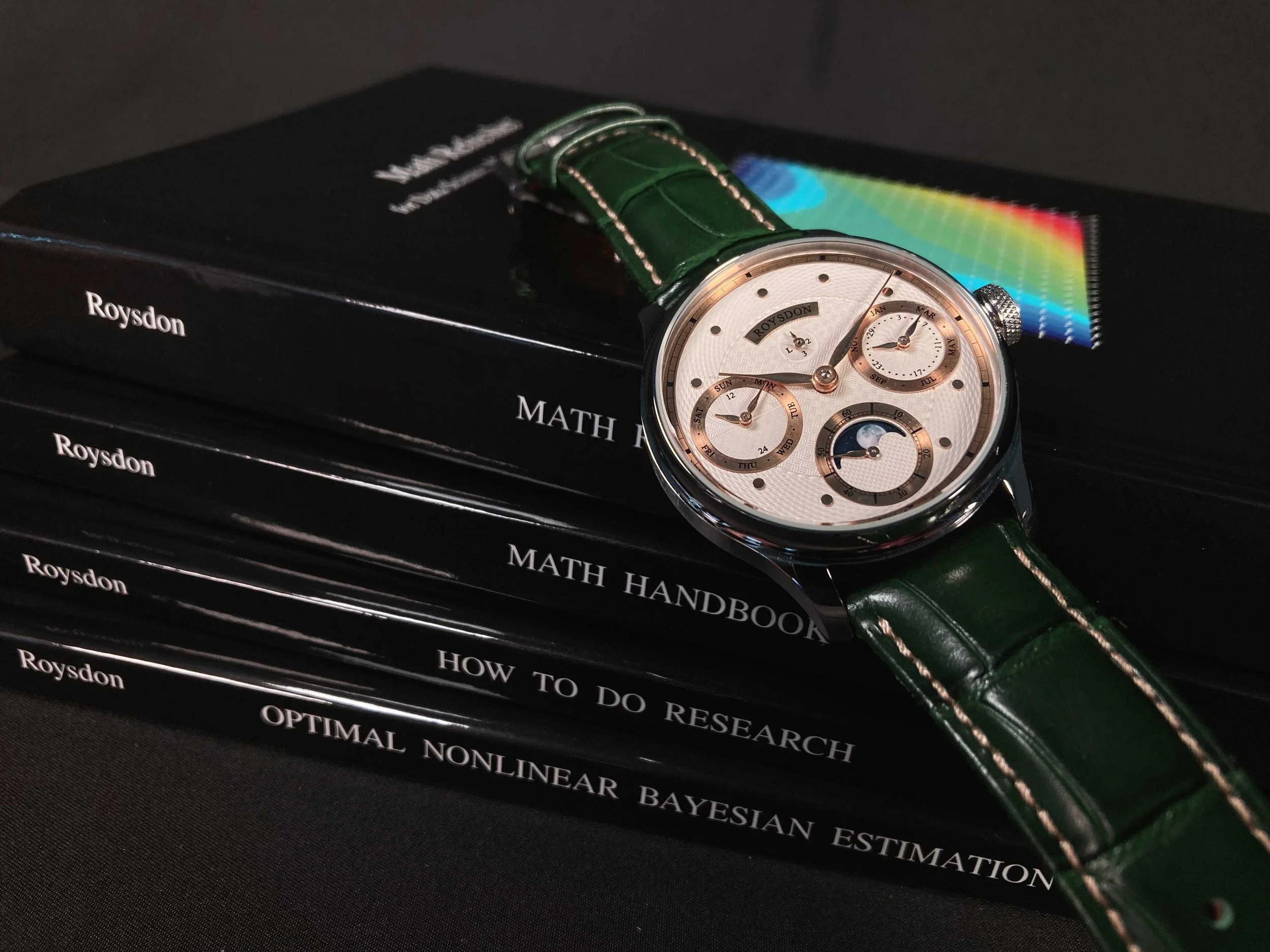
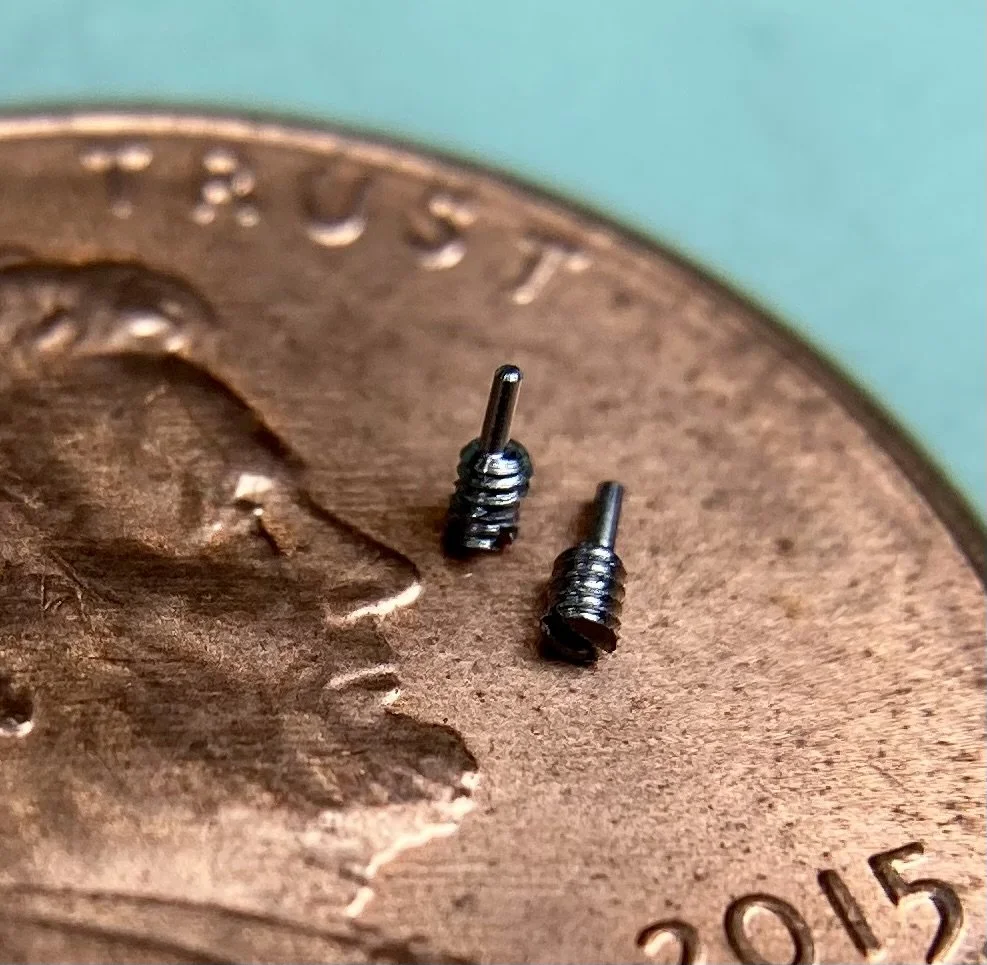
Eventually Paul's attention turned toward a machine radically smaller than an aircraft, but no less fascinating. The mechanical watch. Hundreds of restorations became an education; vintage Breguet, Hamilton, Elgin, and Waltham; modern Seiko, Patek, Rolex, Audemars Piguet, IWC, Longines, and ETA/Unitas. Interrogating every part of every movement, case, dial, hands, bracelet; each offered another solution, another decision, another lesson left behind by someone who had confronted the same mechanical problems decades, or centuries, before. Eventually restoring them was no longer enough, he wanted to make one to understand every part and understand how the parts interact. Then make it better.
THE QUESTION
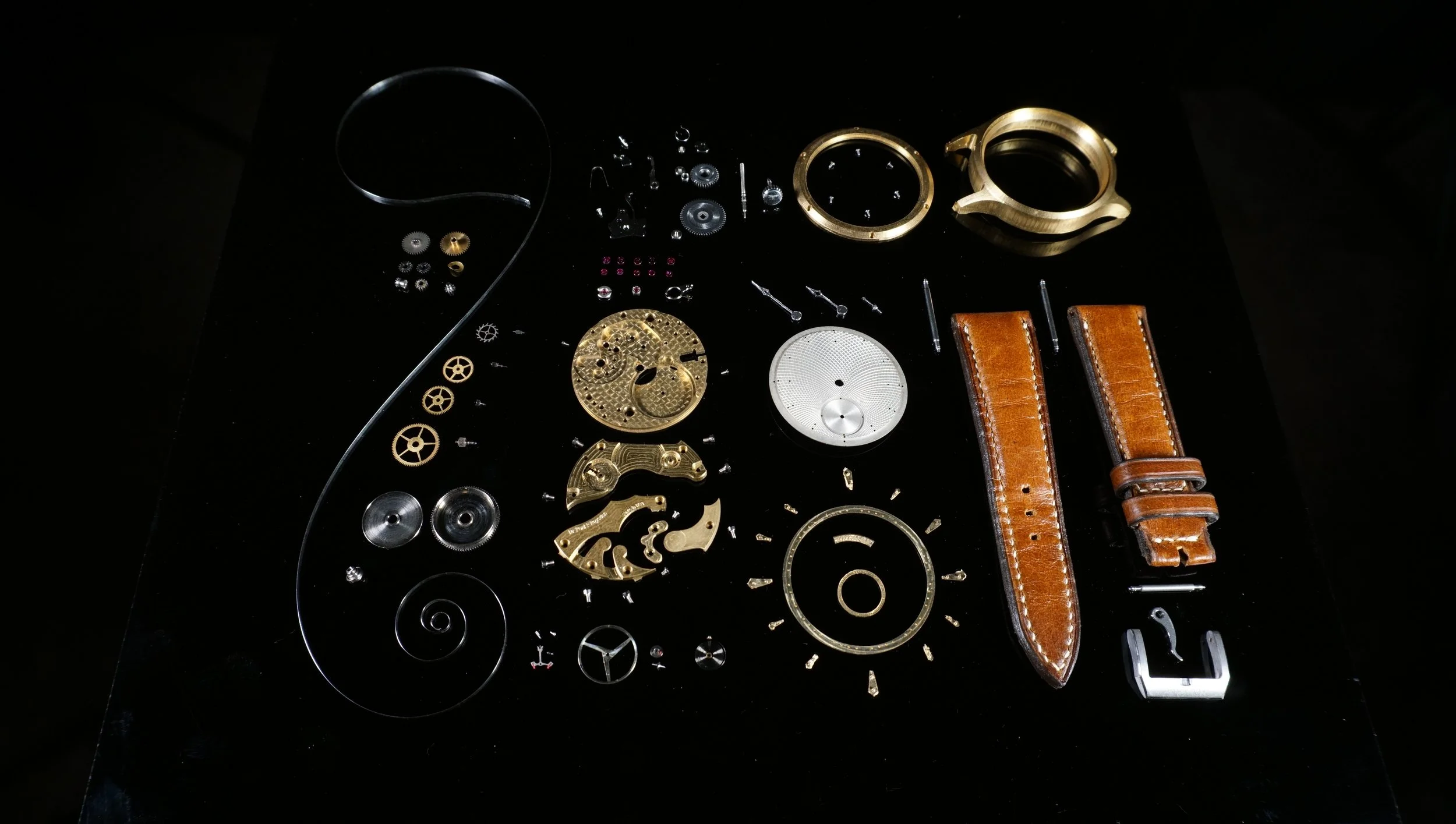
COULD ONE MAN MAKE THE WHOLE WATCH?
BECOMING A BEGINNER AGAIN
ONE DISCIPLINE LED TO ANOTHER.
Watchmaking required something Paul had encountered many times before: becoming a beginner. New tools. New materials. New tolerances. New mistakes. And another long education.
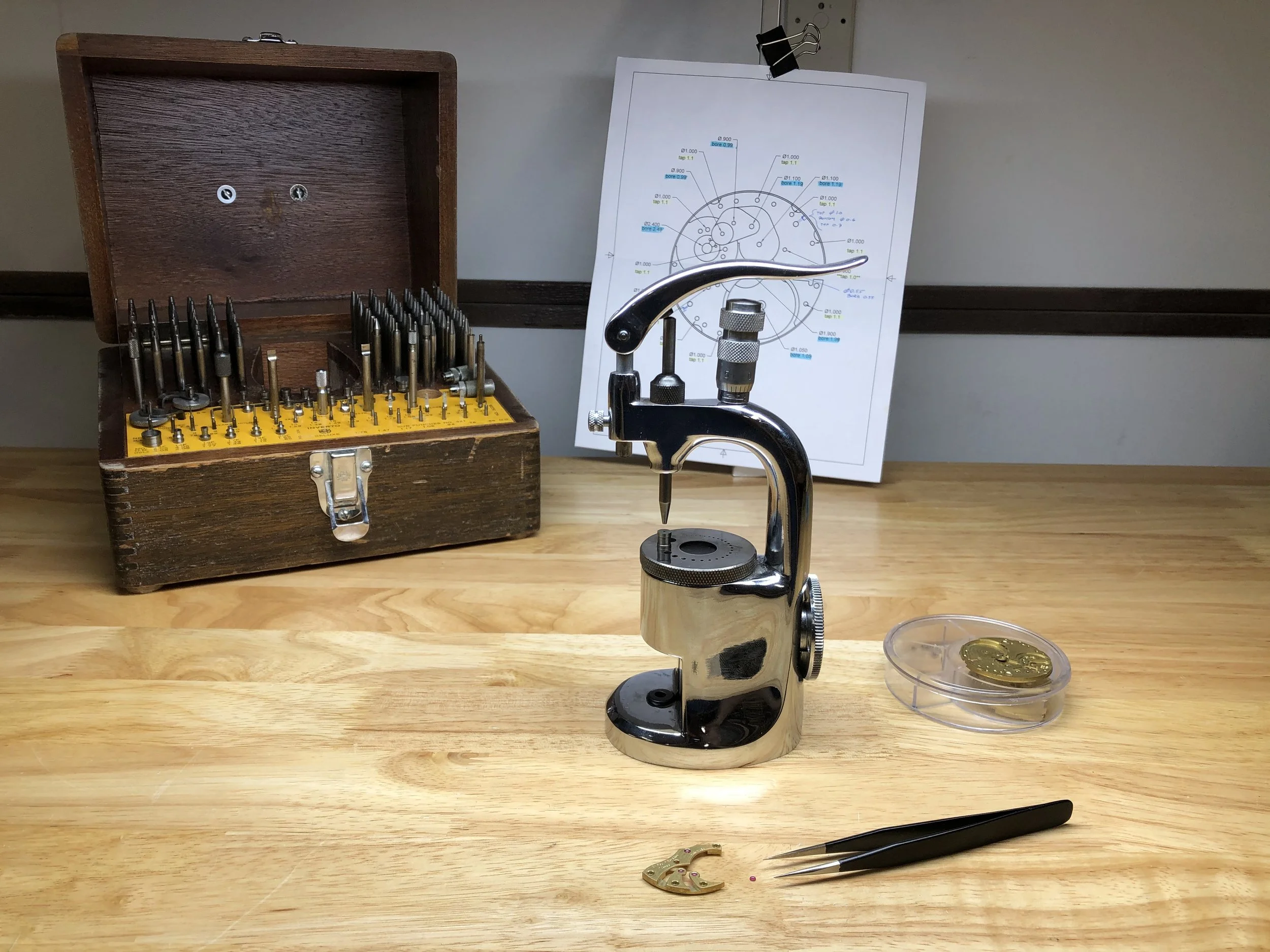
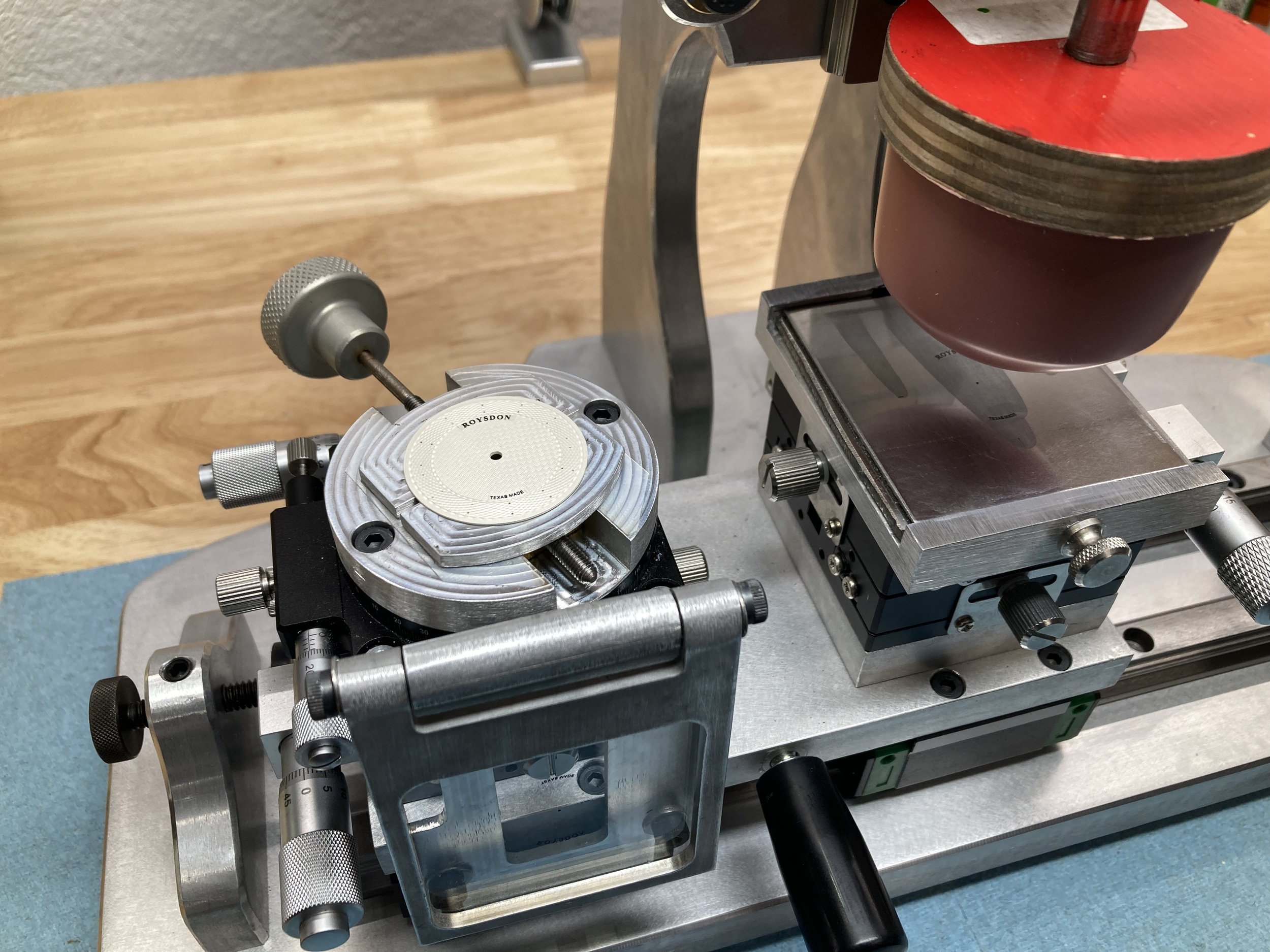
Movement design required machining. Machining required metrology. Cases required metallurgy, casting and finishing. Dials led to guilloché. Guilloché led to rose engines and straight-line engines. Dial lettering led to pad printing. The right pad printer did not exist, so Paul built one. Hands required another set of tools. Straps another craft. And each solved problem revealed the next one. There was no department to hand the problem to. So he learned.
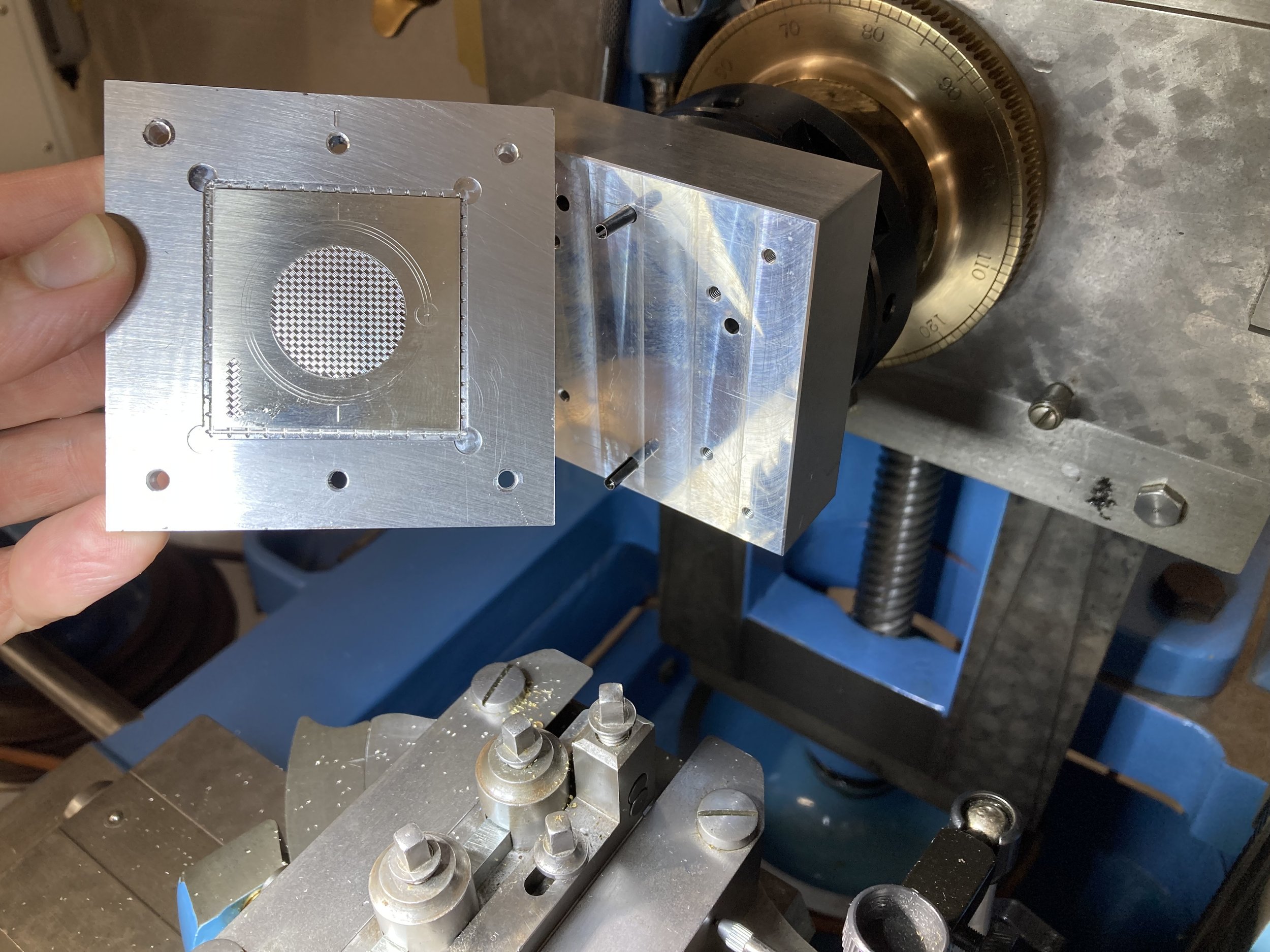
THE MAKING. FROM RAW MATERIAL TO TIME.
ONE SKILL REVEALS THE NEXT
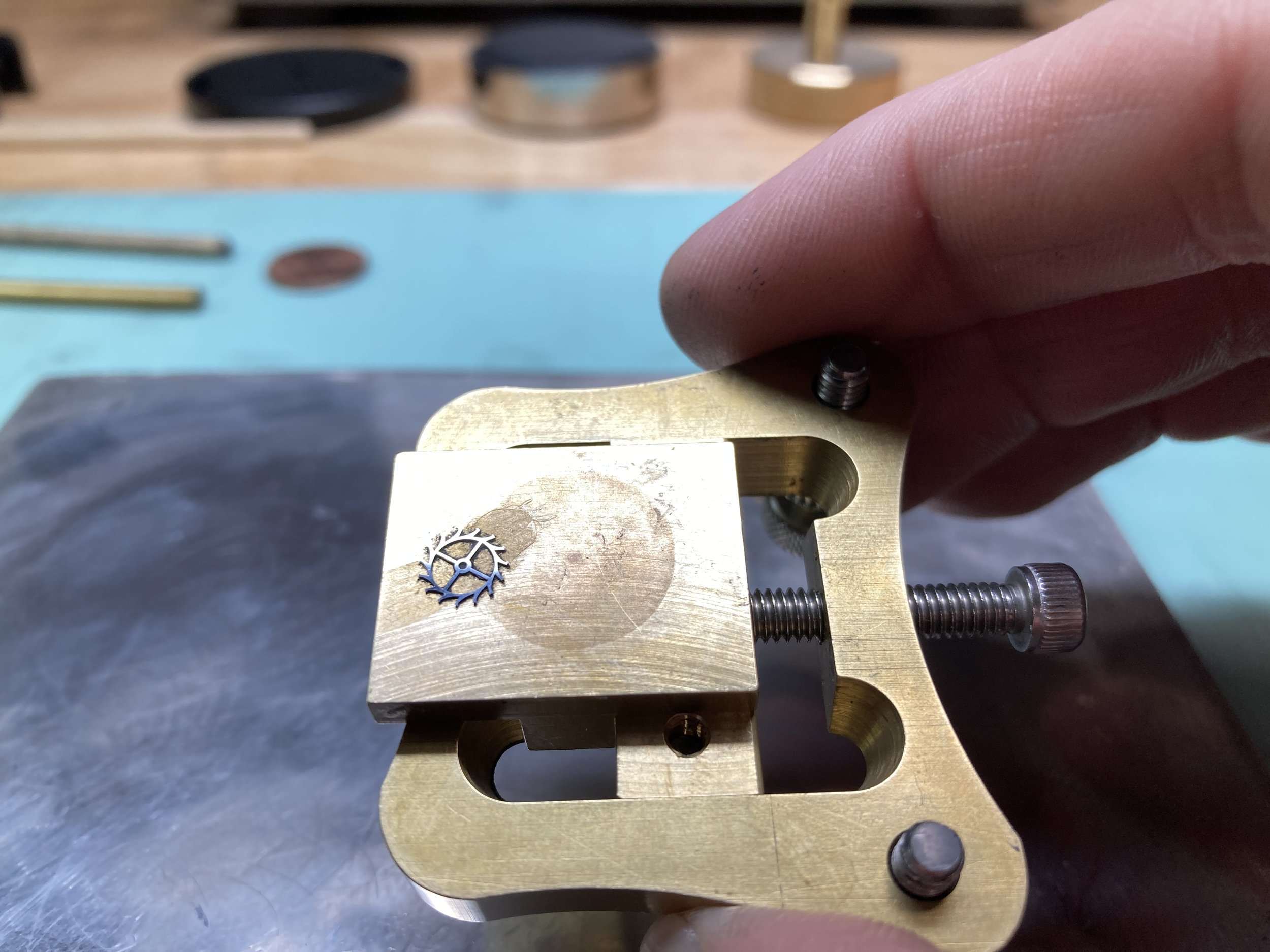
Mastery is not inherited. It is accumulated. Problem by problem. Mistake by mistake. Skill by skill. Year by year. Movement, case, dial, guilloché, finishing, leather, tooling and calibration.
DESIGN
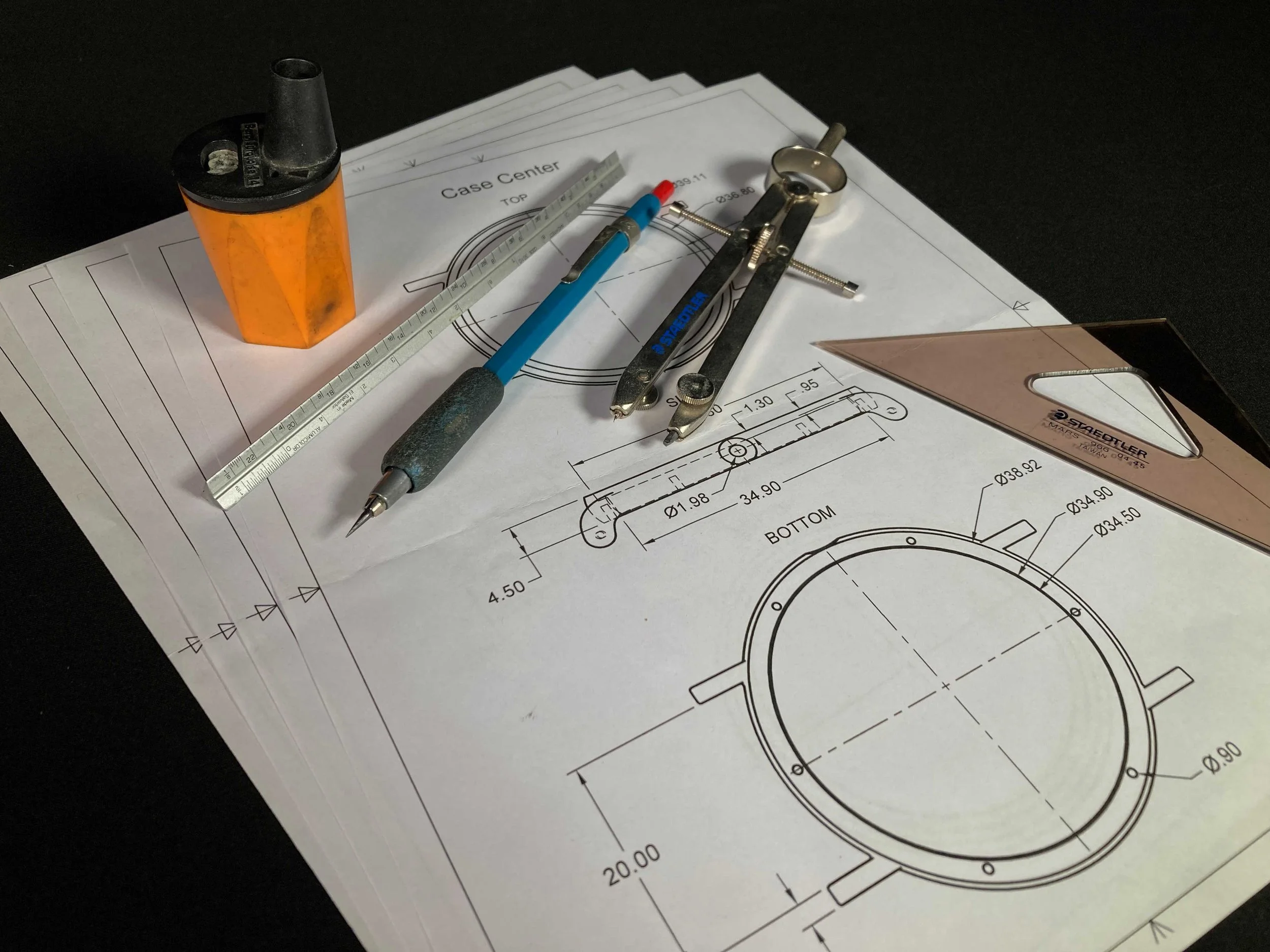
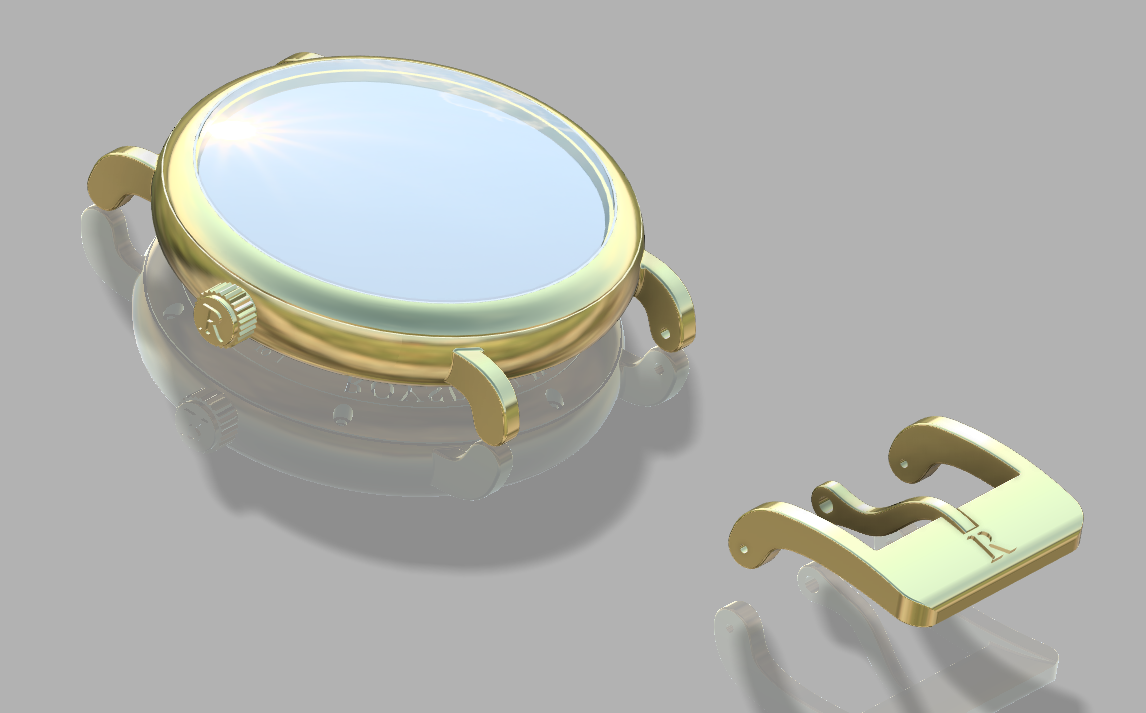
CAD/model sketches.
MOVEMENT
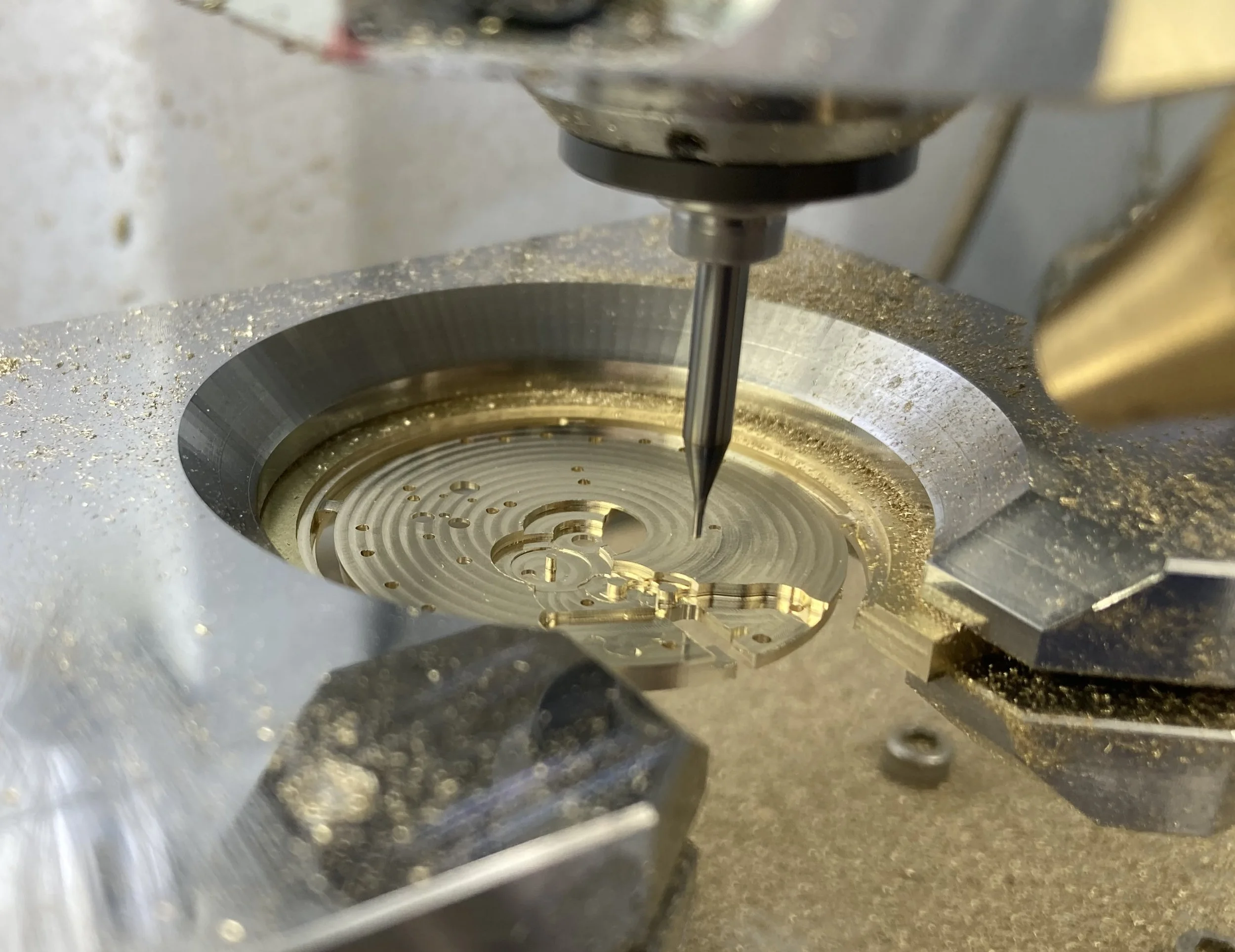
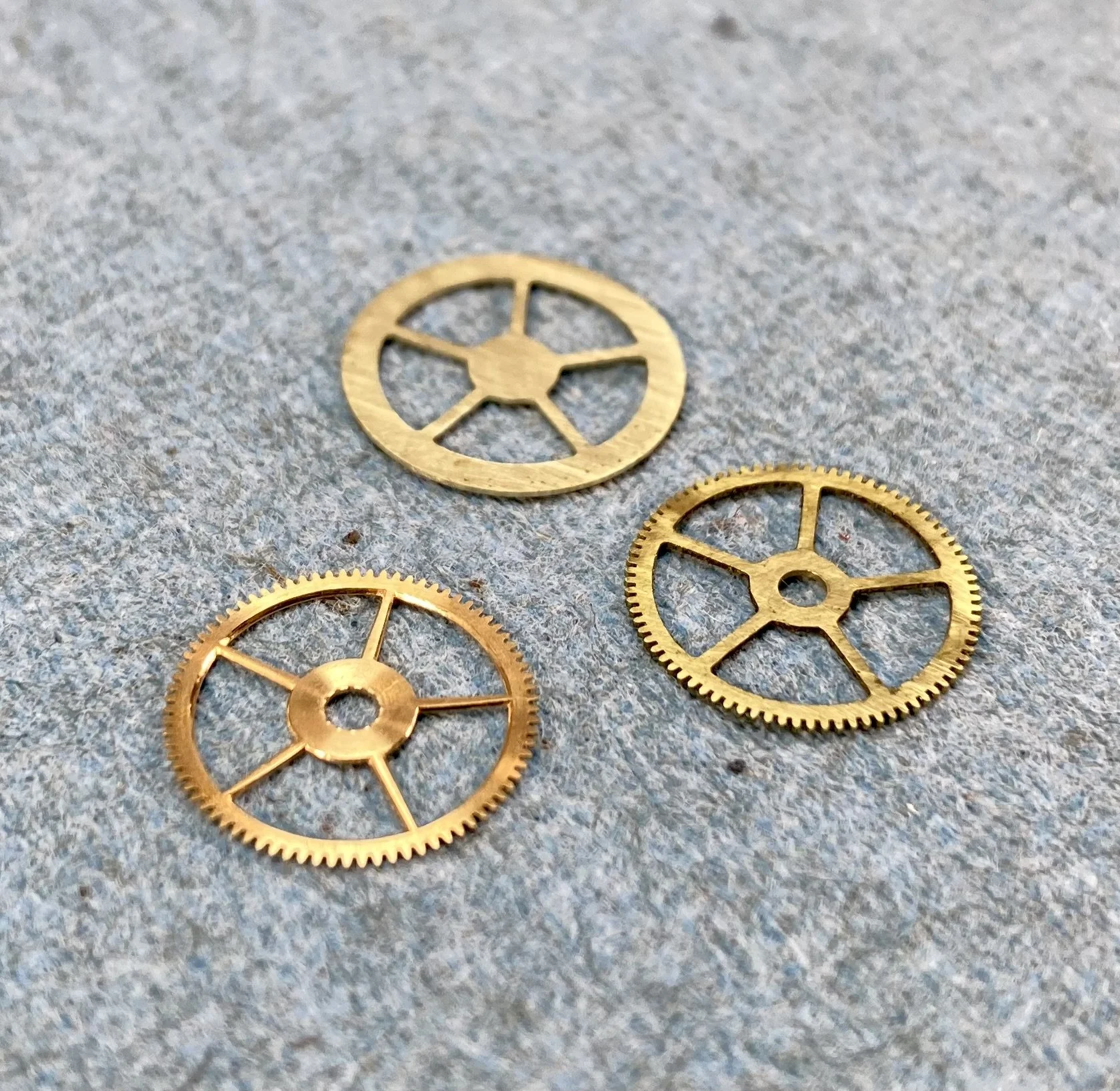
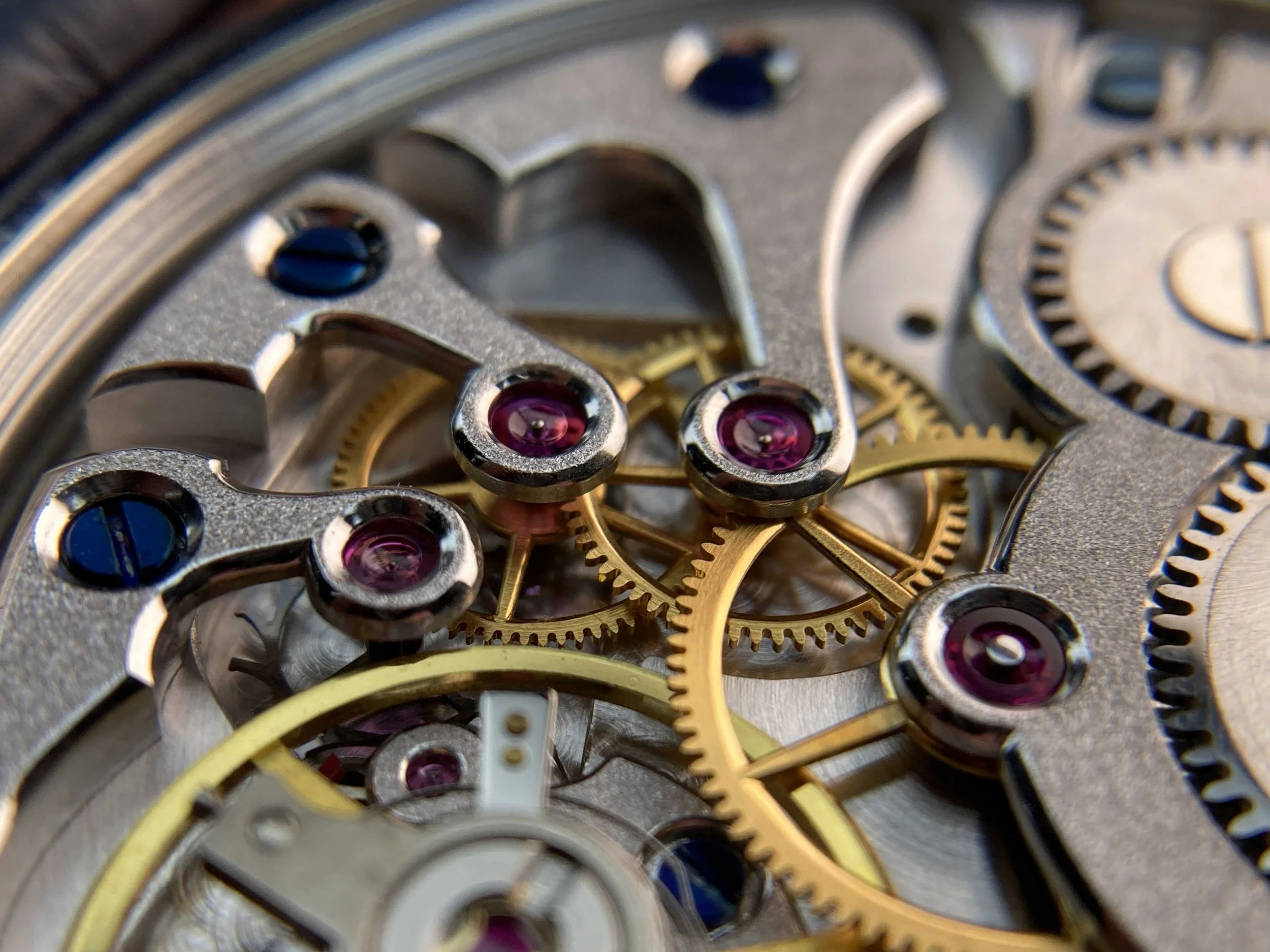
Mainplate, bridge, wheels, pinions.
CASE
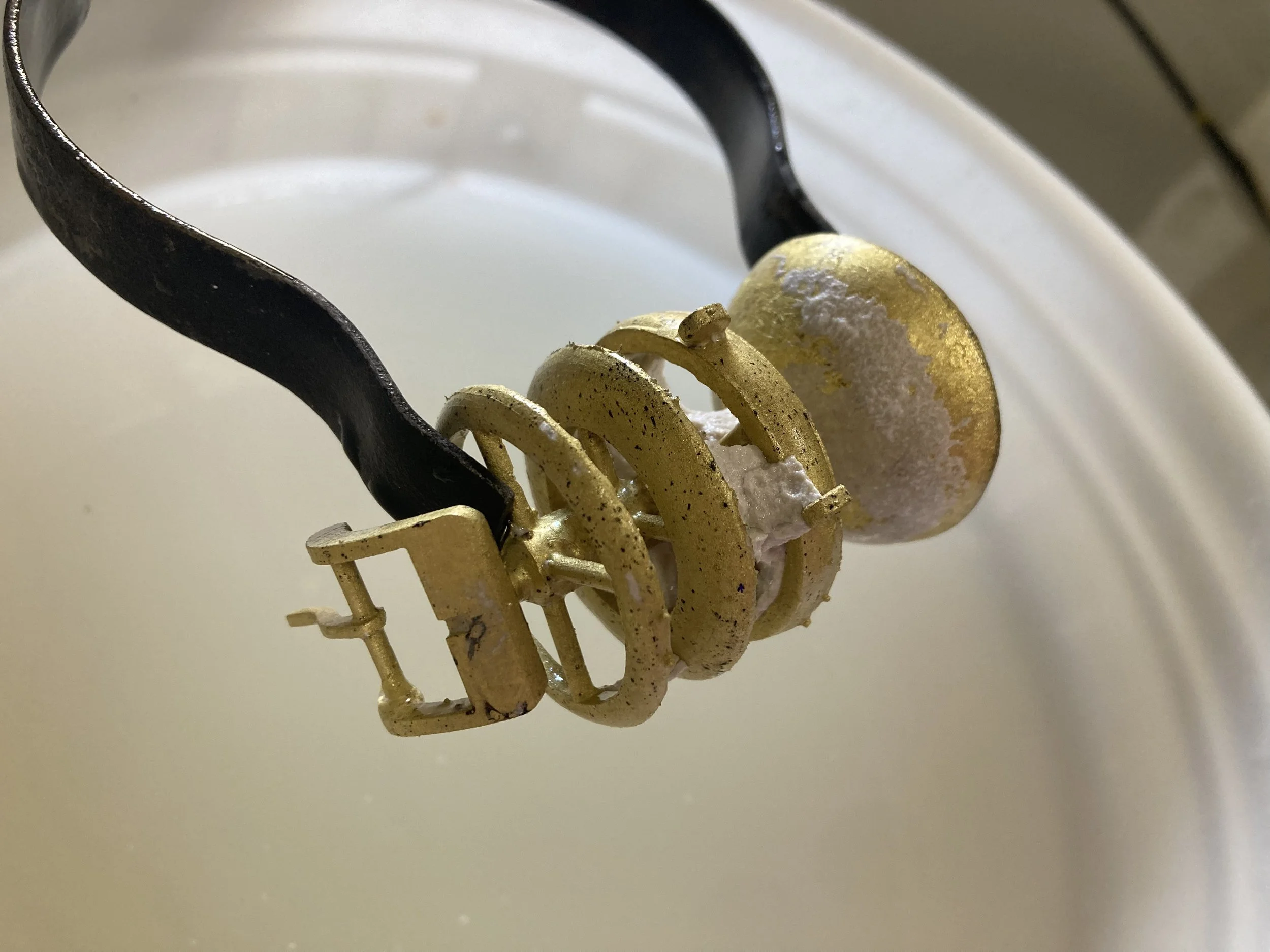
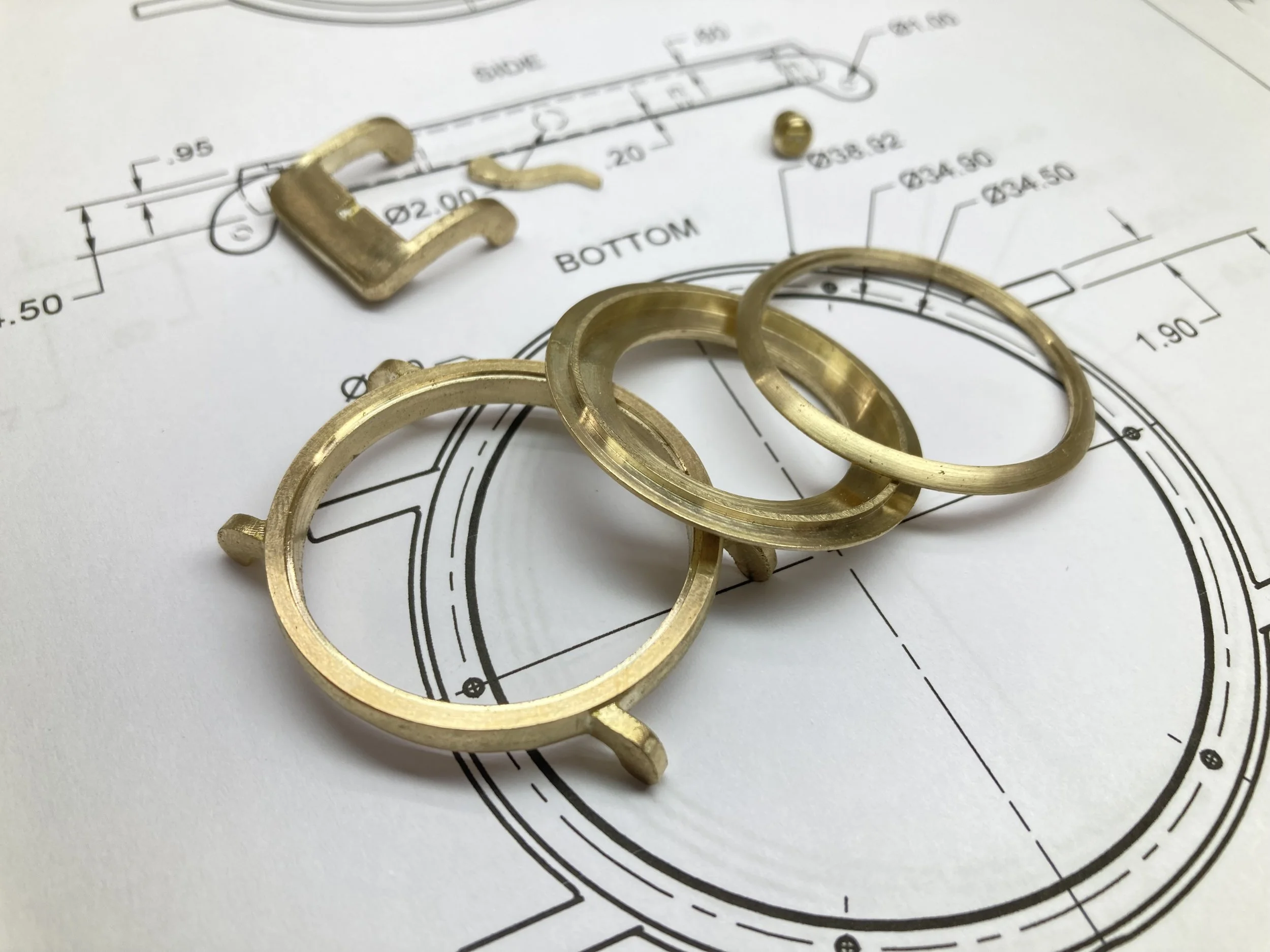
Raw billet / wax → molten gold → rough casting → finished case.
DIAL
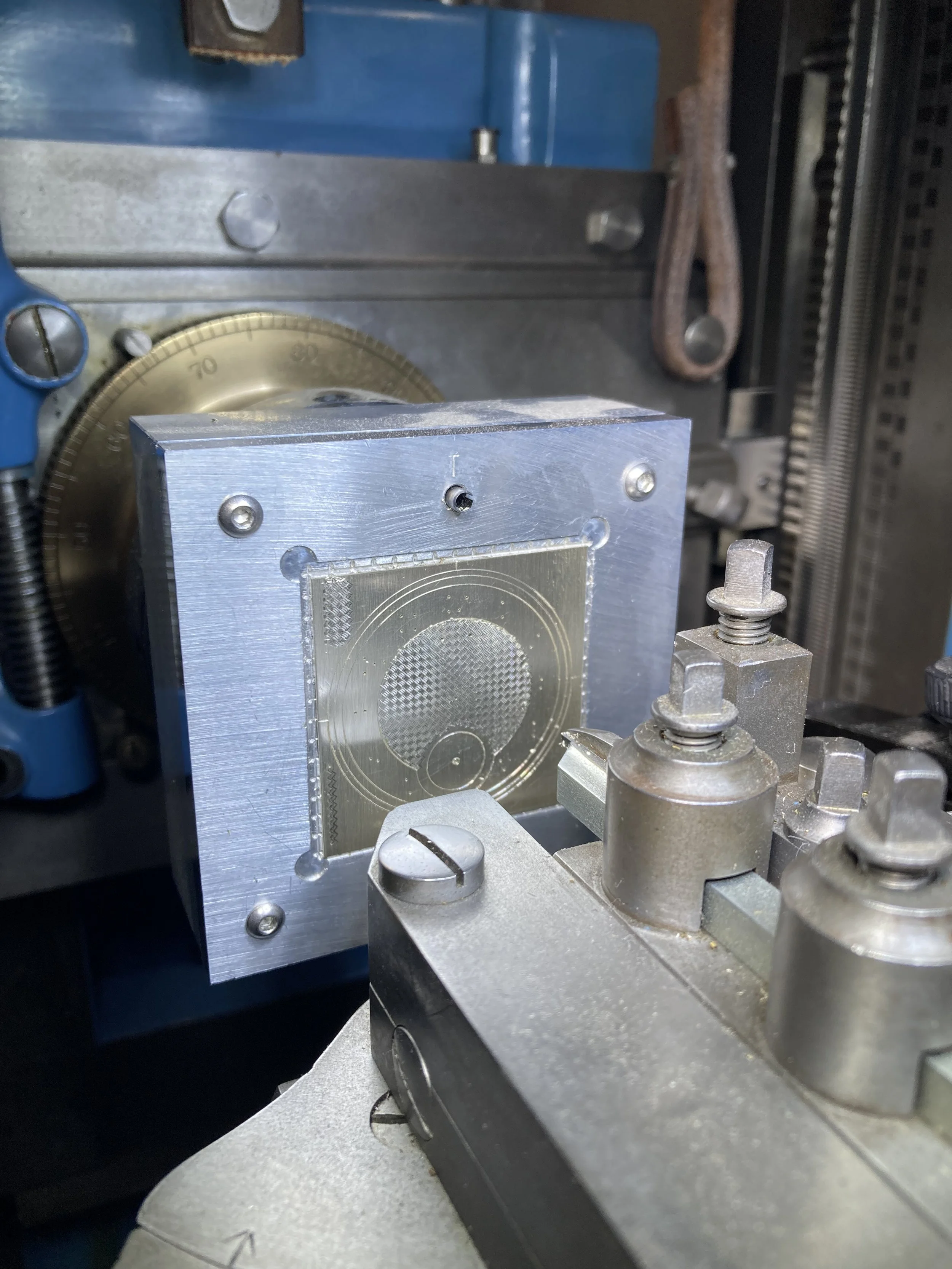
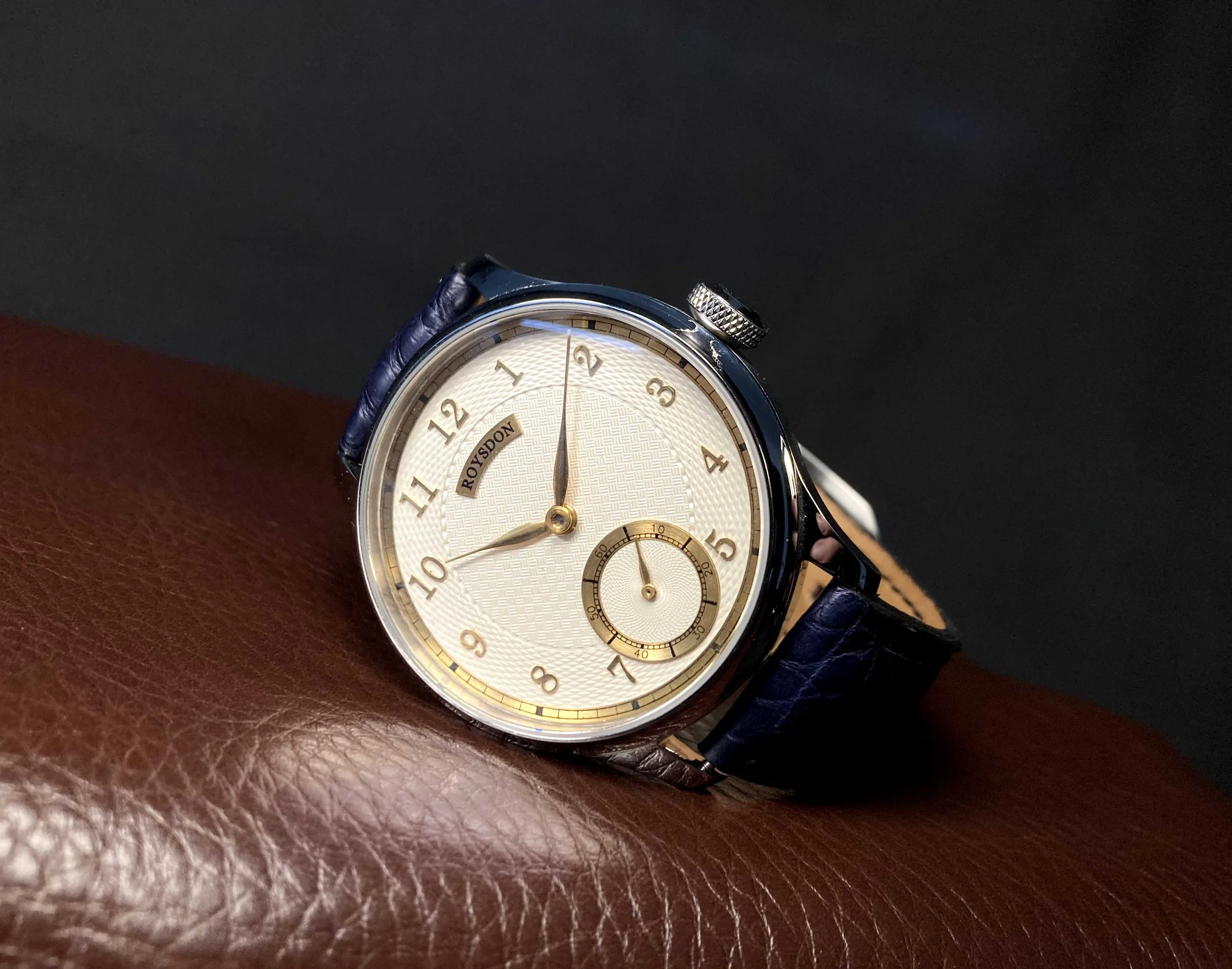
Silver blank → guilloché → finishing → printing → finished dial.
LEATHER
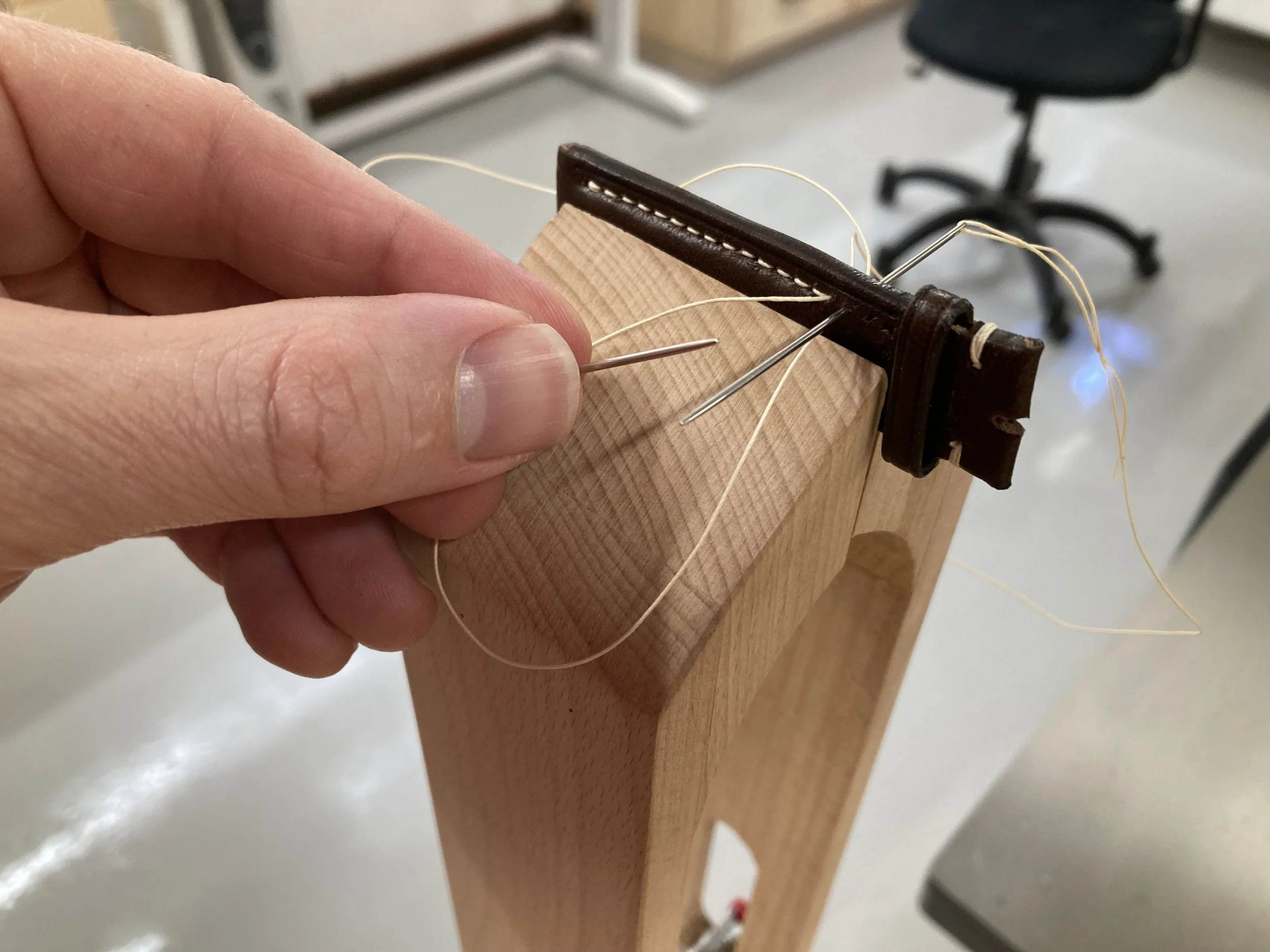
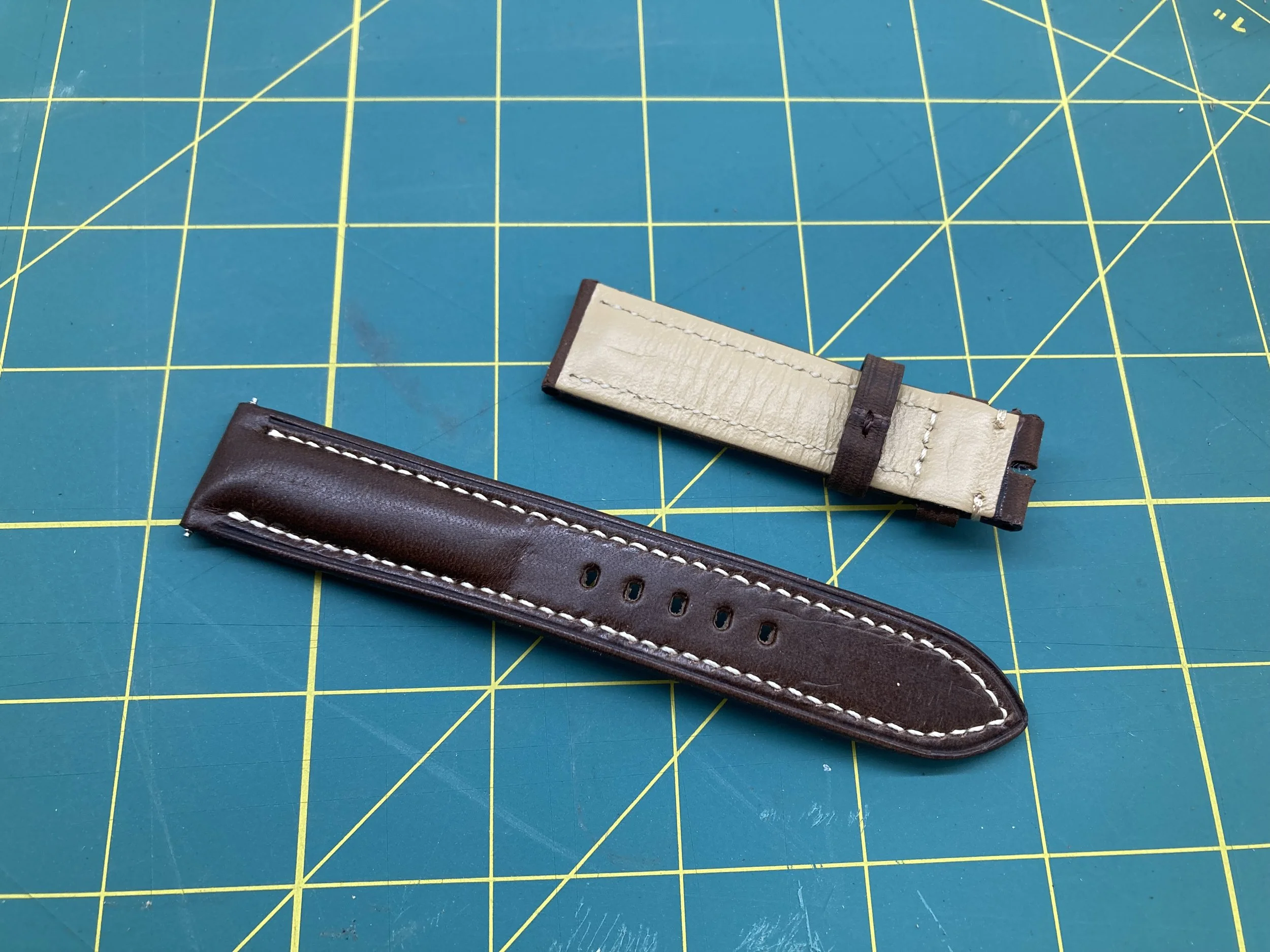
Raw leather and materials → cutting and stitching → finished band.
ASSEMBLY & REGULATION
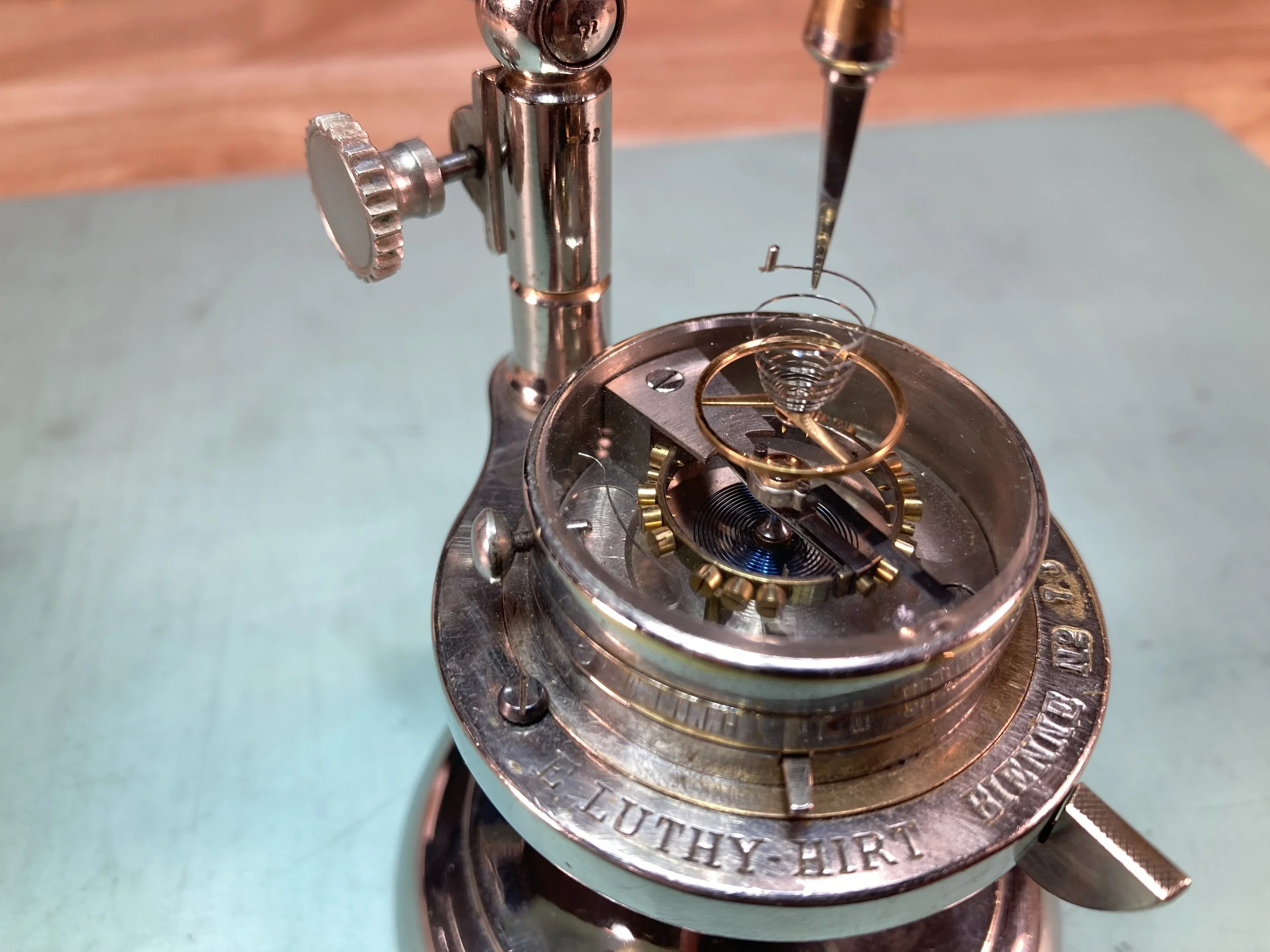
Movement pieces → calibration → finished caliber.
THE FINITE RESOURCE
TIME IS THE ONLY MATERIAL THAT CANNOT BE REPLACED.
Gold can be recast. Steel can be remachined. A failed dial can be made again. But an hour spent making a watch can never be recovered. Every Roysdon Watch therefore contains something no supplier can provide: a portion of the watchmaker's finite life. And every hour at the bench rests upon decades spent acquiring the knowledge necessary to use that hour well.
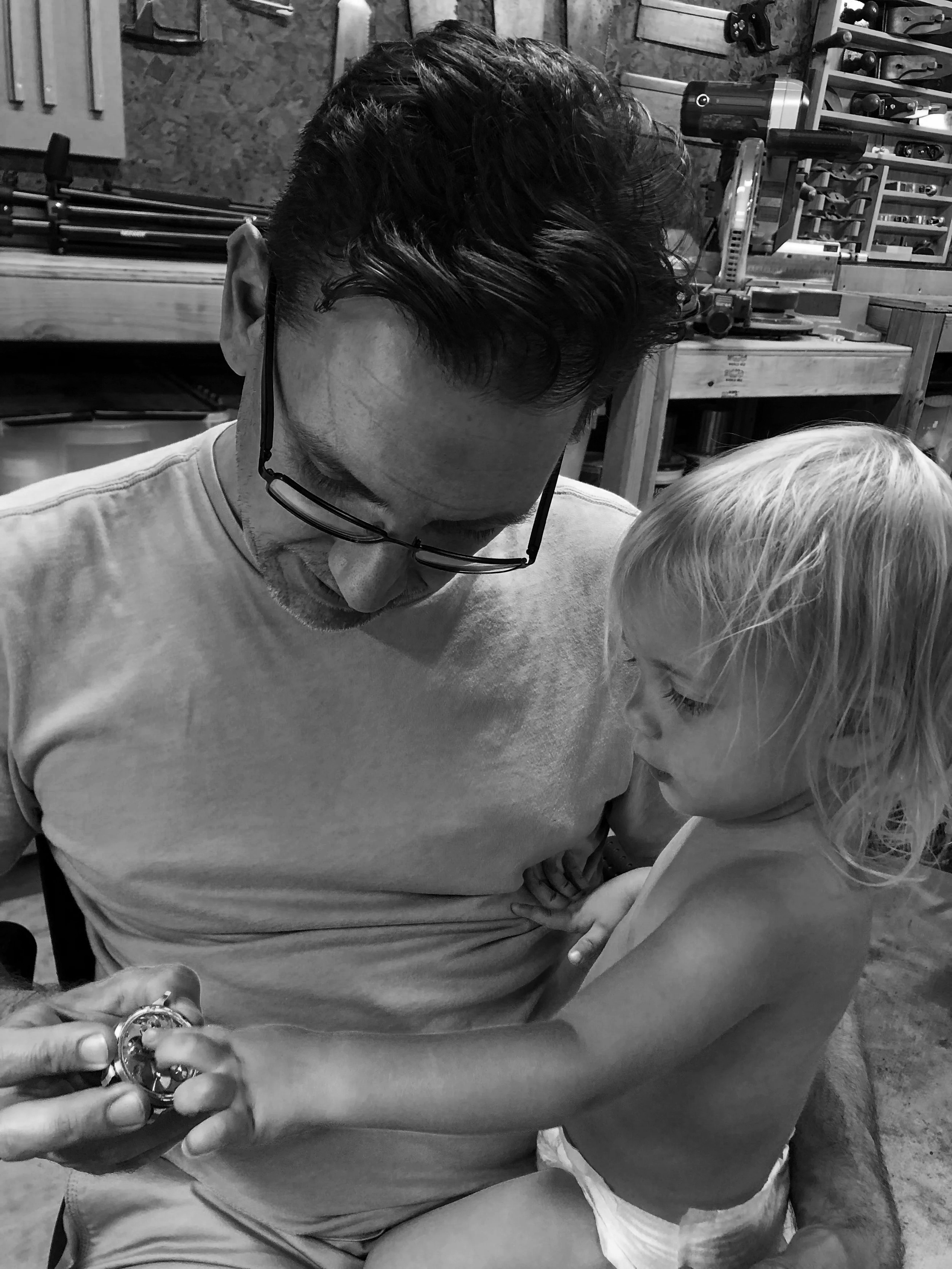
A LIFETIME OF LEARNING, SMALL ENOUGH TO WEAR ON YOUR WRIST.
Paul Roysdon